
Why Travel Coverage Matters When Heading to Ukraine

Secure Your Journey Bold Travel Insurance for Visiting Ukraine
Discover the confidence to explore Ukraine’s vibrant culture and stunning landscapes with dedicated travel coverage. Visit Ukraine insurance offers essential protection for your journey, from medical emergencies to trip disruptions, ensuring you can focus on the adventure. Secure your peace of mind today and experience Ukraine with fearless excitement.
Why Travel Coverage Matters When Heading to Ukraine
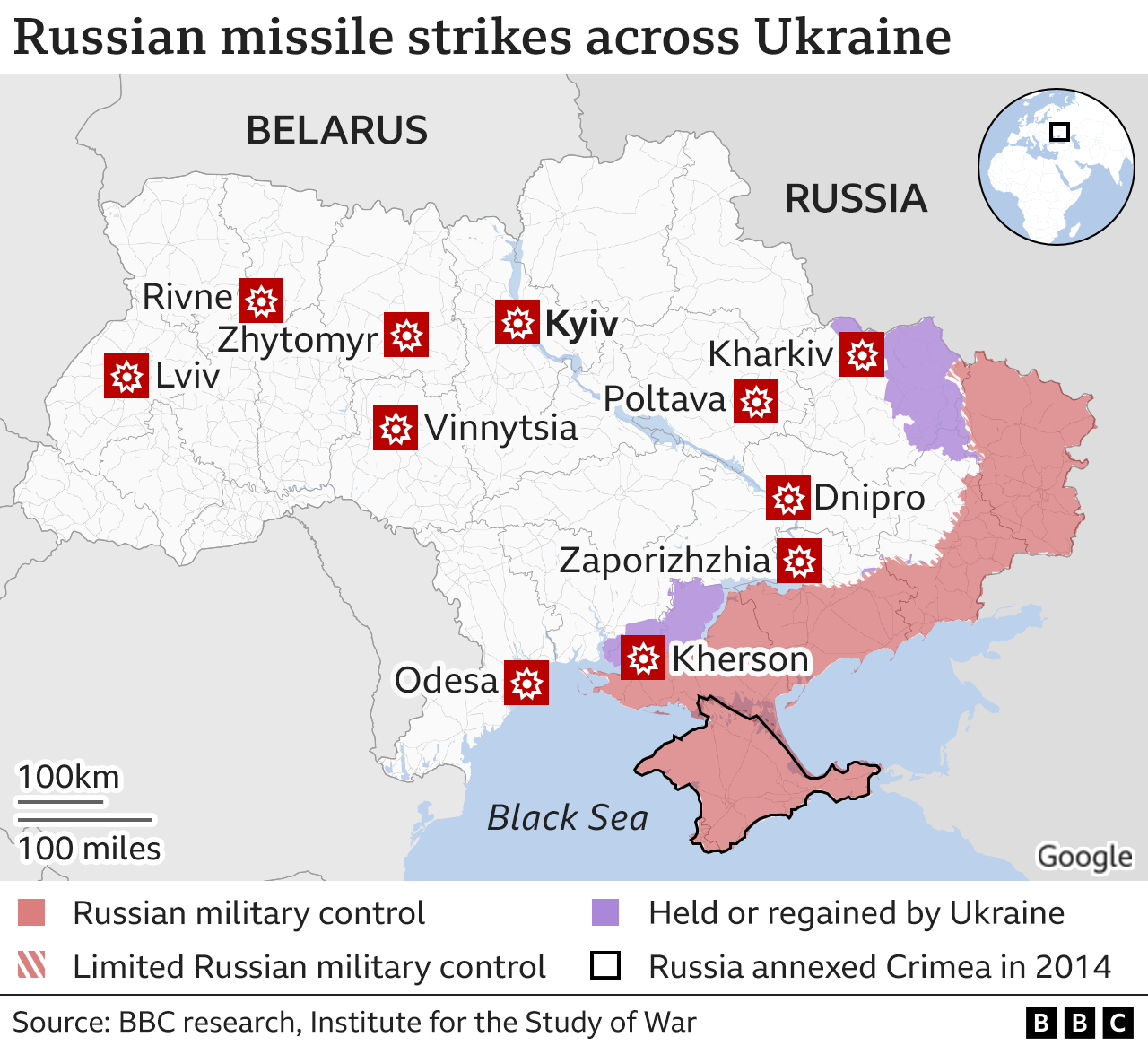
Travel coverage matters when heading to Ukraine because the situation there is anything but stable. While many regions are safe for essential travel, standard insurance often excludes war zones, leaving you on the hook for medical evacuation which can cost tens of thousands. A robust policy covering travel insurance for Ukraine protects against trip cancellations due to sudden embassy warnings, baggage loss, and—most critically—access to emergency medical support. Without it, one drone strike miles away or an unexpected missile alert could strand you without a lifeline. Plus, healthcare facilities are stretched thin; private clinics and evacuation services require upfront payment. Comprehensive travel coverage also includes 24/7 assistance for getting to a safe country if borders close. It’s not fear-mongering—it’s practical. You wouldn’t drive a car without brakes, so don’t visit a conflict-adjacent country without a safety net.
Q&A:
Does standard health insurance cover me in Ukraine?
Almost never. Most domestic policies exclude coverage in active conflict zones, so you need a specialist war-risk travel plan.
Understanding the current risk landscape for foreign travelers
Travel coverage matters when heading to Ukraine because the unexpected can rewrite your entire journey. I remember standing at the Kyiv train station, watching a family huddle over a canceled flight board, their travel insurance claim later failing due to a war exclusion clause. Comprehensive travel insurance for Ukraine isn’t a luxury; it’s a lifeline. It protects you against sudden border closures, political evacuation, or medical emergencies in areas where hospital supplies are scarce. Without it, a minor mishap—like a lost passport or a delayed evacuation—could drain your savings and trap you in a volatile situation. Trust me, the peace of mind you buy before leaving home becomes your anchor when logistics shift overnight. That policy might not change the risks, but it ensures you don’t face them alone.
How insurance supports safe movement across regions
Securing comprehensive travel coverage is non-negotiable for any trip to Ukraine, given the active conflict and volatile security environment. Standard policies often exclude war zones, so specialized insurance is your only safety net against medical emergencies, evacuation costs, and trip disruptions. War-risk travel insurance provides essential protection for Ukraine trips, covering everything from artillery injuries to sudden border closures. Without it, a single medical evacuation could cost tens of thousands of dollars. Key coverage elements include:
- Emergency medical and hospital care
- Conflict-zone evacuation to a safe country
- Reimbursement for cancelled or interrupted travel
- Personal liability and legal assistance
Your preparation determines your safety, not just your comfort. Choose a provider that explicitly covers active war zones and check for 24/7 emergency support before departure.
Key differences between standard policies and conflict-zone plans
Travel coverage is essential when heading to Ukraine due to the active conflict zones and volatile security environment. Most standard policies exclude war-related incidents, but specialized travel insurance can cover emergency medical evacuation, trip cancellations due to military escalations, and loss of personal belongings. Without such protection, travelers risk significant financial losses from disrupted flights, accommodation cancellations, or medical emergencies in areas with limited healthcare infrastructure. Comprehensive war-risk insurance is a non-negotiable safeguard for anyone entering Ukraine.
Without war-risk coverage, a single medical evacuation from Kyiv or Kharkiv can cost over $50,000 out of pocket.
Review policy exclusions carefully, especially regarding territorial restrictions. Common covered scenarios include:
- Emergency medical treatment and repatriation
- Forced trip interruption due to airspace closures
- Loss or theft of passport and critical documents
- Security-related transportation to designated safe areas
Types of Protection Available for Your Journey
When you’re hitting the road, having solid travel protection is a total game-changer. The most common type is trip cancellation insurance, which covers you if you have to bail because of sudden illness or emergencies. Then there’s lost luggage coverage, saving your sanity if your bag gets diverted to another continent. Don’t slack on medical evacuation insurance—it’s a lifesaver for serious injuries far from home, covering helicopter rides or plane transport to a decent hospital. For digital nomads, cyber liability protection shields against hacked accounts or stolen gear. Rental car collision insurance is also clutch, letting you dodge expensive repair bills. Whether you’re a backpacker or a luxury traveler, having the right mix of these options keeps your stress low and your adventure on track.
Medical evacuation and emergency health coverage
Before I set out, I never considered how much the road could demand. My first solo trip taught me the value of travel insurance options—a safety net against canceled flights or lost luggage. Then came comprehensive medical coverage, which saved me when a simple fever in a remote village required an airlift. For personal security, I always carry a digital tracker and share my live location with a trusted contact. Backup plans like emergency cash stashed in two separate bags have bailed me out more than once.
“The best protection isn’t armor—it’s a plan that bends but never breaks.”
Lastly, I never skip route alerts via local apps, which warn of weather or civil unrest. Each layer of security lets me wander further, worry less, and return home with stories, not regrets.
Trip cancellation and interruption safeguards
Travel protection encompasses a range of options designed to safeguard your trip investment and personal well-being. Comprehensive travel insurance typically covers trip cancellation, medical emergencies, lost baggage, and travel delays. For frequent travelers, an annual multi-trip policy offers convenient, cost-effective coverage. Credit card travel benefits often provide secondary protection, such as rental car insurance or delay reimbursement, but rarely match dedicated plans. Consider specialized add-ons like “cancel for any reason” coverage for maximum refundability or adventure sports riders for high-risk activities.
The single most critical safeguard is medical evacuation insurance, which can cover six-figure helicopter or air ambulance costs to transport you to adequate care.
Personal liability and legal assistance options
Comprehensive journey protection begins with travel insurance, which covers medical emergencies, trip cancellations, and lost baggage. For digital security, a VPN encrypts your data on public Wi-Fi, while password managers safeguard online accounts. Physical safety is enhanced by portable door locks and anti-theft backpacks. Always register with your embassy for emergency consular assistance during international travel. Layered protection includes:
- Medical evacuation coverage
- 24/7 helpline access
- Cyber fraud monitoring tools
These measures ensure resilience against unforeseen risks, from health crises to identity theft, so you journey with unshakable confidence.
Choosing a Policy That Matches Your Itinerary
Selecting a policy that aligns precisely with your itinerary is not just prudent; it is non-negotiable for a stress-free journey. When you meticulously match coverage to your specific travel plans, you transform insurance from a mere safety net into a strategic asset. For instance, a whirlwind business trip through three cities demands robust trip cancellation and interruption coverage, while a serene beach vacation might prioritize emergency medical evacuation. Ignoring this crucial step, often dismissed as fine print, is the single fastest route to claim denials and financial loss. Ensure your policy explicitly covers every adventure, from skiing in the Alps to diving in the tropics, and verify it includes tailored protection for activities like a spontaneous scuba expedition. Ultimately, a customized plan designed for your exact route and activities ensures you are protected against the unique risks of your journey, not a generic one-size-fits-all solution that leaves you exposed.
Short stays versus extended visits: what changes
Securing travel insurance that aligns with your specific itinerary is essential for financial protection and peace of mind. Match your policy to your trip’s duration and destinations to avoid coverage gaps or unnecessary costs. A weekend city break requires a simpler plan than a month-long backpacking trip across multiple countries, which may need higher medical limits and cancellation cover. Policies vary widely, so consider these key factors:
- Duration: Single-trip versus annual multi-trip policies.
- Activities: Coverage for planned excursions like skiing or scuba diving.
- Value: Sufficient baggage and cancellation limits for your gear and prepaid bookings.
Always verify that your policy covers every country on your route, as domestic plans will not protect you abroad.
Review exclusions carefully, especially for pre-existing medical conditions or extreme sports, to ensure your cover remains valid throughout your journey.
Coverage for business travelers and volunteers
Sarah had spent weeks crafting the perfect European escape, but nearly missed her connection in Zurich when her travel insurance didn’t cover a missed layover. Choosing a policy that suits your travel style can save both your trip and your budget. If you zigzag between cities, prioritize multi-trip or flexible plans that protect against short delays and lost luggage. For a single, slow-paced vacation, a standard single-trip visit ukraine insurance policy with solid medical coverage often suffices. The key is matching your itinerary’s pace with its benefits—like ensuring rental car protection for a road trip or cancel-for-any-reason for a pricey cruise. Without this alignment, you risk paying for extras you never use or lacking coverage when you need it most. Always read the fine print on duration limits and exclusions before you buy. A well-matched policy doesn’t just shield you—it lets you roam freely, knowing your unique route is protected.
Family-friendly plans and group travel considerations
Selecting travel insurance that aligns exactly with your itinerary is non-negotiable for a stress-free trip. A generic policy often leaves critical gaps, such as failing to cover a multi-day trek or expensive camera gear. Always match your coverage to your specific activities to ensure you pay only for what you need. For a seamless fit, consider these factors:
- Adventure sports: Verify the policy explicitly covers bungee jumping, scuba diving, or skiing.
- High-value items: Confirm the single-item limit covers your laptop, drone, or engagement ring.
- Itinerary length: Avoid pro-rated policies by choosing a plan that perfectly matches your departure and return dates.
Reviewing these details upfront protects you from denied claims and unexpected out-of-pocket costs, making your journey genuinely worry-free.
What to Look for in a Conflict-Zone Insurance Plan
When you step into a conflict zone, standard insurance vanishes like a mirage. Your plan must first guarantee war-risk coverage, because bullets and airstrikes aren’t “accidents” to most carriers. Look for a provider who evacuates you when the embassy locks its gates—a clause promising a seat on a private convoy, not a voicemail. They should offer hostage negotiation support, not just a payout. Read for loopholes: does the policy void itself if a grenade lands on your car? Or does it cover the jeep and your break into a fortified cellar? Finally, demand a 24-hour hotline that picks up when the power grid dies—because the best plan isn’t the cheapest, but the one that remembers your name before the next shell lands.
War-risk exclusions and how to navigate them
When selecting a conflict-zone insurance plan, prioritize war risk coverage as the foundational requirement. Standard policies universally exclude acts of war, terrorism, and civil unrest, so you need a specialist insurer who explicitly lists these perils. Scrutinize the fine print for “hostile event” definitions and territorial limits, as many policies void coverage if you enter a red-zone area. Ensure the plan includes a 24/7 security evacuation clause that covers both medical and security-led extractions, not just transport to a safe hospital. Finally, confirm direct payment with medical facilities, as local hospitals may demand cash upfront.
Evacuation triggers and emergency response services
When selecting a conflict-zone insurance plan, prioritize coverage that explicitly includes war, terrorism, and political violence. High-risk travel insurance must offer 24/7 emergency assistance with access to private security and medical evacuation to a stable country. Scrutinize the fine print for “hostile event” exclusions—standard policies almost always deny claims in active war zones. Look for flexible cancellation and trip interruption benefits that apply when government travel advisories change abruptly. Ensure the policy covers kidnapping and ransom (K&R) as well as loss of personal effects due to lootings or bombings.
A policy that doesn’t guarantee evacuation from a live-fire zone is not worth the paper it’s printed on.
Finally, confirm the insurer has a proven track record in the specific region you’re entering, not just a global generalist reputation.
Pre-existing condition clauses and medical history
When selecting a conflict-zone insurance plan, prioritize explicit war-risk and terrorism coverage, as standard policies universally exclude these. Ensure the policy covers kidnapping, ransom, and extortion, alongside medical evacuation and repatriation of remains. Conflict-zone insurance must include political violence clauses for verified hostile acts. Scrutinize the claims process for remote filing and upfront cash payment guarantees, since local infrastructure often collapses. Never assume your standard travel policy will protect you in a war zone.
Practical Steps to Secure Your Policy Online
To secure your policy online, begin by using a strong, unique password for your insurance portal and enabling two-factor authentication (2FA). Avoid accessing your account over public Wi-Fi; instead, use a trusted private network or a VPN. Regularly review your account statements and set up alerts for any changes to your policy details or billing information. Ensure your device’s operating system and browser are updated, and avoid phishing attempts by only entering credentials through the official insurer’s website or app.
Never share your login credentials or verification codes with anyone, even if they claim to be from your insurer.
Additionally, consider using a password manager to store login details securely and log out of the portal after each session, especially on shared devices. These steps form the foundation of cybersecurity best practices for protecting your sensitive policy data.
Comparing providers with specialized Ukraine offerings
To secure your policy online, start by creating a strong, unique password using a mix of upper and lower case letters, numbers, and symbols, and enable multi-factor authentication (MFA) for an added security layer. Avoid using public Wi-Fi when accessing your account; instead, use a secure, private network or a VPN. Regularly update your software and devices to patch vulnerabilities, and only access your insurance provider’s official website or app—never click on links from unsolicited emails or texts. Prioritize online policy protection by reviewing your account activity monthly for unauthorized changes and logging out after each session, especially on shared devices.
Documents you need before purchasing
To fortify your digital policy, begin by enabling multi-factor authentication (MFA) on your insurance portal, which acts as a critical barrier against unauthorized access. Use a dedicated password manager to generate and store complex, unique credentials for each account. Regularly review your privacy settings and disable any automatic data-sharing permissions. Always log out after each session, especially on shared devices. Common pitfalls include using public Wi-Fi for policy changes and neglecting software updates; set automatic updates on your devices and primary email accounts to close security gaps.
Payment methods and proof of coverage for border crossing
To secure your policy online, start by enabling multi‑factor authentication for your insurance portal, which adds a critical layer of defense against unauthorized access. Never use public Wi‑Fi when managing your policy, and always log out after each session—especially on shared devices. Regularly monitor your policy for unauthorized changes to catch fraud early. Use a strong, unique password paired with a password manager, and verify email alerts from your insurer by checking the sender’s domain. Avoid clicking links in unsolicited messages about your coverage.
A single weak password can cost you your entire claim—lock your digital policy like you lock your front door.
For extra protection, set up real‑time notifications for any policy updates or payment modifications. Finally, review your account activity monthly to ensure no suspicious logins or profile changes remain hidden.
Common Myths About Insuring a Trip to Ukraine
Planning a trip to Ukraine? Let’s bust some common myths about trip insurance. First off, many travelers think their standard policy covers everything, but that’s rarely true for conflict-affected zones. You absolutely need a plan that explicitly includes travel insurance for Ukraine to cover war-related cancellations or medical emergencies. Another myth is that insurance is too expensive for a risky destination, yet it costs less than a single night in a decent hotel. People also assume they can’t get coverage if they’re already on the ground, but you can buy a policy before your departure, even last-minute. Finally, some believe lost luggage or flight delays are automatically covered—check the fine print. Remember, comprehensive travel insurance is your safety net, not a luxury, for Ukraine’s unique situation.
“Standard travel insurance is enough” — why it may not be
Many travelers assume all trip insurance policies cover geopolitical instabilities, but standard plans often exclude destinations with active government travel advisories. Understanding Ukraine travel insurance exclusions is crucial before departure. A common myth is that any “cancel for any reason” upgrade will protect you—yet these policies still have strict deadlines and may not cover cancellations due to war. Another fallacy is that medical evacuation is automatically included; in reality, many providers refuse to operate in conflict zones. Always read the fine print before your debit card autofills the premium.
- Myth: “All policies cover war zones.” Fact: Most explicitly exclude them.
- Myth: “Emergency evacuation is standard.” Fact: It often requires a specialized rider.
- Myth: “State Department warnings don’t matter.” Fact: They directly affect claim payouts.
“I’m only visiting safe zones” — the reality of dynamic risks
Many travelers believe insuring a trip to Ukraine is impossible or void due to active conflict, but this is a major misconception. While standard policies often exclude war zones, specialized travel insurers now offer robust **travel insurance for Ukraine** tailored to current risks. Another myth is that medical evacuation is automatic; in reality, not all plans cover it, so you must verify. Additionally, people assume trip cancellation coverage is useless, yet policies can cover disruptions from border closures or sudden government advisories. Don’t fall for the idea that all claims are denied—proper documentation and transparency ensure payouts.
The safest trip is one backed by accurate coverage, not baseless fears.
“It’s too expensive” — balancing cost vs. potential out-of-pocket losses
Many travelers mistakenly believe that standard travel insurance covers trips to active conflict zones like Ukraine, yet most policies specifically exclude war-related claims. The myth that you can simply “buy cheap coverage” for such a destination couldn’t be more dangerous, as high-risk travel requires specialized providers who understand the volatile security landscape. Another common misconception is that evacuation insurance automatically ensures a swift helicopter rescue, but in reality, these policies often only cover ground transport to safer areas—and only if safe corridors exist. Ukraine travel insurance myths also include the false belief that all trip cancellations are covered, but political unrest and military escalations are frequently classified as “foreseeable events,” leaving you unprotected. Finally, don’t assume your health insurance from home will help; most foreign carriers deny claims for injuries sustained in war zones.
Real Scenarios Where Coverage Made a Difference
Consider a family whose home was suddenly engulfed by a wildfire. With only minutes to evacuate, they grabbed their pets and documents, leaving everything else behind. Weeks later, they discovered their comprehensive home insurance covered not just the structure but also temporary housing and replacement of lost belongings. That policy transformed a devastating loss into a manageable setback. Or think of a small bakery whose oven caught fire right before the holiday rush. Their business interruption coverage paid for lost income while repairs were made, letting them keep their employees on payroll. For the bakery owner, that safeguard meant the difference between closing permanently and reopening stronger. These real stories show how having the right coverage in place can truly shield you from life’s unexpected and expensive curveballs.
Medical emergencies from Lviv to Kyiv: a case study
Insurance coverage prevented financial collapse when a manufacturing company’s primary production line was destroyed by a fire. The commercial property policy covered the full replacement cost of the machinery, including the cost to expedite shipping and installation. This allowed the business to resume operations within three weeks instead of six months, preserving supplier contracts and employee salaries. Without coverage, the company would have faced liquidation due to the unplanned capital expenditure.
A family’s home was rendered uninhabitable after a severe storm caused extensive roof and water damage. Their homeowners policy covered temporary housing costs through loss-of-use provisions. Additionally, the policy paid for mold remediation and structural repairs. The claim also funded the replacement of personal belongings, including electronics and furniture, that were destroyed by water. This prevented the family from depleting their savings or incurring debt during the reconstruction period.
Evacuation due to escalating security alerts
When a wildfire swept through a Northern California community, the Johnson family had only minutes to evacuate. Their homeowners insurance covered not just the structure, but temporary housing and personal belongings lost in the blaze. Disaster recovery coverage transformed a total loss into a manageable rebuild, allowing them to focus on safety rather than financial ruin.
Similarly, a small bakery in Texas faced a devastating liability lawsuit after a customer slipped on a wet floor. Their general liability policy covered legal fees and settlement costs, sparing the business from bankruptcy. One well-placed policy can be the difference between survival and closure.
These scenarios highlight how coverage works when it matters most:
- Health insurance covering a six-figure surgery after a sudden diagnosis
- Auto insurance providing a rental car and repairs after a hit-and-run
- Business interruption insurance replacing lost income during pandemic shutdowns
Lost luggage and delayed flights in high-stress environments
In a manufacturing plant, a sudden fire from faulty wiring destroyed critical machinery. The company’s comprehensive equipment breakdown coverage covered the full replacement cost, enabling operations to resume within two weeks instead of facing months of downtime. Business continuity insurance proved essential here, as standard property policies often exclude mechanical failures. Key scenarios where coverage saves businesses include:
- Cyberattacks that lock critical data, where cyber insurance covers ransom and forensics.
- Product recalls due to contamination, with recall coverage reimbursing lost revenue and legal fees.
- Natural disasters like floods, where separate flood insurance prevents bankruptcy.
Without tailored coverage, even one major event can wipe out years of growth. Expert advice: always audit exclusions to close gaps.
Tips for Filing a Claim While in Ukraine
When filing an insurance claim while in Ukraine, you must act with immediate precision to secure your compensation. First, document all damage with dated photos and videos, as this is your primary evidence. Contact your provider’s international hotline before any local repairs or medical treatment, as pre-authorization is often mandatory. Secure all official documentation, including police reports for theft or accidents and medical certificates for injuries. For property or vehicle claims, never discard damaged items until an adjuster reviews them. Leverage digital submission portals aggressively; many companies now accept online forms to bypass disrupted postal systems. Retain copies of every email and receipt in a waterproof folder. With martial law in effect, insurers cannot deny claims based solely on “war exclusions” if the incident occurred during civilian transit or shelter use. Demand a written timeline for payout—regulatory pressure on providers active in the region ensures they process valid claims within 30 days.
How to document incidents effectively
Navigating insurance claims from Ukraine requires speed and precision. Document all damage immediately with photos and videos, capturing timestamps and surrounding context. Contact your provider the moment it’s safe—their apps or WhatsApp lines often work when calls fail. Keep records of police reports, medical receipts, and property inventories in both digital and physical form. Every piece of evidence you collect today can unlock your payout tomorrow. For evacuations or lost items, request an official reference number for each communication to prevent claim delays.
Contacting your insurer from remote locations
Navigating an insurance claim from Ukraine requires swift action and meticulous record-keeping. Immediately document all damage with photos and videos, including time stamps and location data, as this serves as crucial proof for adjusters. Report the incident to local authorities and secure an official police report number, which is often mandatory for processing. Contact your insurer via their emergency hotline without delay, clarifying any specific clauses for conflict-zone coverage. Since communication can be unreliable, save digital backups of all correspondence and receipts for temporary housing, transportation, or medical costs. Filing a claim while in Ukraine demands proactive organization, so store copies with your embassy or a trusted contact abroad as a fail-safe.

Typical timelines and what to expect during processing
When filing an insurance claim while in Ukraine, prioritize immediate safety and secure digital evidence. The first step is to document the incident with photos and videos, as physical damage assessments may be delayed due to security risks. Contact your insurer’s emergency hotline immediately, using VoIP if local networks are unstable. Keep all receipts for emergency expenses, including medical treatment and temporary relocation. Most policies require claims within 30 days, but war zones often have exceptions. Provide a police report if possible, though local authorities may be overwhelmed. Use a notarized witness statement if a police report is unavailable. Digital records are more reliable than paper copies in active combat zones.

Frequently Overlooked Add-Ons That Provide Peace of Mind
While robust insurance policies form the core of preparedness, savvy homeowners and travelers know true serenity comes from niche add-ons. For vehicles, a tire and wheel protection plan is a game-changer, covering costly pothole damage that basic warranties ignore. In real estate, a service line warranty for buried water or power lines from the street to your home prevents sudden, wallet-crippling emergencies. For frequent flyers, global medical evacuation coverage is non-negotiable, ensuring you’re not stranded abroad with a routine injury. Never underestimate the power of a comprehensive identity theft restoration service, which assigns a caseworker to undo fraud, not just monitor credit.
The most overlooked add-on isn’t the product itself, but the dedicated human support that activates in your moment of crisis.
Stacking these niche protections transforms a basic policy from a paperwork formality into a genuine safety net.
Communication and translator services
Many homeowners focus on visible renovations while neglecting critical safety add-ons. Water leak detectors are frequently overlooked yet prevent thousands in damage by alerting you to pipe bursts or appliance failures. Similarly, smart smoke and carbon monoxide alarms with app notifications offer remote hazard awareness, crucial when you are away. Surge protectors for your entire electrical panel guard expensive electronics, while an automatic gas shutoff valve stops leaks before they escalate. For daily comfort, keyless entry locks with lockout alerts let you verify your door is secured from anywhere.
Extended repatriation for unforeseen delays
While many focus on core insurance or home security, peace of mind add-ons for roadside assistance often get skipped. A basic tire change doesn’t cover key fob battery depletion or lockout assistance after a lost key, yet these minor inconveniences can strand you for hours. Similarly, a home warranty add-on for underground sewer lines prevents a $5,000 repair bill from a tree root intrusion. Consider these overlooked essentials:
- Identity restoration coverage (covers legal fees and lost wages after theft, not just monitoring)
- Water backup & sump pump failure (standard policies exclude this costly basement damage)
- Rental car gap lock (pays if the rental agency’s system freezes, leaving you on the hook for days)
- Medical evacuation for travel (covers medevac from remote areas, often excluded in basic trip insurance)
Without these, a minor glitch becomes a major headache. Verify your current policies or service contracts to add these protections before you need them.
Cyber assistance for digital nomads and remote workers
While flashy features steal the spotlight, quiet guardians like automatic water leak detectors silently prevent catastrophic home damage. These battery-powered sensors, placed near water heaters and under sinks, alert your phone the moment a drip is detected—potentially saving thousands in repairs. Similarly, a whole-home surge protector shields electronics from grid spikes, not just plug-in strips. For travelers, smart door locks with temporary guest codes eliminate the stress of key handoffs. Simple additions like these transform anxiety into quiet assurance.
The most valuable safety net is the one you never notice until it works.
- Water leak sensors with smartphone alerts
- Whole-home surge protectors
- Smart locks with temporary access codes
Adding a backup sump pump with battery backup can feel unnecessary—until a storm knocks out power. Battery-powered carbon monoxide detectors with digital displays and voice alerts are another often-skipped upgrade that provides life-saving clarity during emergencies. Finally, a simple fire extinguisher cabinet in the kitchen makes the tool accessible, not buried under a sink. These overlooked additions don’t just protect property; they protect sleep quality, too.
Staying Updated on Regulatory and Travel Advisory Changes
Staying on top of regulatory and travel advisory changes doesn’t have to be a chore, but it’s crucial for any business moving goods or people. Think of it less like homework and more like checking the weather before a road trip. You wouldn’t drive into a storm without knowing, right? These alerts often pop up with little notice, covering everything from new customs paperwork to sudden safety warnings in a specific region. A handy trick is to set up a simple Google Alert for phrases like “travel advisory update” or your industry’s key compliance keywords. This way, the information comes to you. Using a trusted government or trade site for official guidance helps you separate useful news from noise. A quick weekly scan keeps you prepared, avoiding costly delays or compliance headaches down the line.
How government warnings affect policy validity
As a travel planner, I learned the hard way that a single missed alert can unravel an entire itinerary. Staying updated on regulatory and travel advisory changes is now non-negotiable for anyone crossing borders. Real-time regulatory alerts protect both your schedule and safety. I refresh official government sites, subscribe to embassy newsletters, and set push notifications for destination-specific warnings. For example, a sudden visa policy shift or a health notice can appear overnight. One alert once saved me from arriving during a surprise border closure. Use this checklist:
- Check official state department or foreign office pages weekly.
- Enable app alerts for flight and entry requirement updates.
- Follow local news for curfews or strike-related disruptions.
This routine has turned my pre-trip anxiety into quiet confidence.
Renewing or extending coverage mid-trip
Staying on top of regulatory and travel advisory changes doesn’t have to be a chore. Proactive travel risk monitoring is your best bet for smooth trips. Set a weekly reminder to check official government sites like the State Department or CDC, and subscribe to real-time alerts from trusted travel security firms. You should also:
- Bookmark official embassy pages for your destinations.
- Follow local news outlets on social media for ground-level updates.
- Use apps that aggregate visa and health entry rules.
This way, you catch last-minute policy shifts before they catch you off guard, keeping your plans flexible and stress-free.
Resources for real-time alerts and support networks
For professionals managing corporate travel, regulatory and travel advisory monitoring is non-negotiable. Changes to visa policies, health mandates, or security alerts can arise with little notice, directly impacting itineraries and duty of care obligations. To stay ahead, subscribe directly to official government sources like the State Department or CDC, rather than relying on third-party summaries. A practical workflow includes:
- Setting daily alerts for destination-specific advisories via the Smart Traveler Enrollment Program (STEP).
- Cross-referencing business insurance requirements with local entry rules 72 hours before departure.
- Reviewing embassy social media feeds for last-minute transport restrictions or curfews.
This structured approach turns reactive scrambling into proactive risk mitigation, keeping travelers compliant and safe.