
Analyzing the psychology of gambling behavior in casinos

The allure of gambling: Understanding motivations
The psychology of gambling behavior is heavily influenced by various intrinsic and extrinsic factors that draw individuals to casinos, where the allure of the best online casino experience can be particularly compelling. At the heart of this allure is the thrill of risk and uncertainty. Many gamblers are motivated by the possibility of winning, which ignites the desire for excitement and the rush of adrenaline. This phenomenon is often referred to as the “Gambler’s Fallacy,” where an individual believes that past outcomes influence future occurrences, creating a false sense of control over winning. Additionally, the social environment of casinos contributes to this allure; the presence of others engaging in the same behavior can enhance one’s desire to participate.
Moreover, the escape from reality plays a significant role in the appeal of gambling. Many individuals turn to casinos as a means to relieve stress or escape their daily lives. The atmosphere inside a casino—bright lights, captivating sounds, and the dynamic energy of fellow gamblers—creates a sensory experience that can easily lure players into a trance-like state. This environment provides an opportunity for individuals to immerse themselves in a world where they can momentarily forget their responsibilities and challenges, ultimately leading to prolonged gambling sessions.
The complexity of human emotions also plays a vital role in gambling motivations. Emotions such as hope, excitement, and even despair can drive individuals to gamble. For instance, the hope of winning can overshadow the reality of potential losses, creating a cycle where gamblers chase their losses, believing that the next bet could be the one that turns their fortunes around. Understanding these emotional triggers is crucial for both gamblers and industry stakeholders as it highlights the need for responsible gaming measures to assist individuals who may struggle with their gambling behavior.
Cognitive biases and decision-making in gambling
Cognitive biases significantly impact gambling behavior, affecting how players make decisions. One prevalent bias is the overestimation of personal luck or skill. Gamblers often believe they possess unique abilities that give them an edge over the house, leading them to make riskier bets. This belief can be perpetuated by occasional wins, reinforcing the idea that skill plays a vital role in outcomes, despite the inherent randomness of most games. Such cognitive distortions can lead to longer gambling sessions and, ultimately, financial losses.
Another critical cognitive bias is the ‘illusion of control.’ This bias occurs when gamblers feel they have control over random events, such as dice rolls or card draws. Casinos often exploit this through game design, such as adding elements that require player skill, even in games predominantly governed by chance. For example, in poker, players believe their skill in bluffing or reading opponents enhances their chances of winning, even though luck plays an equally significant role. This illusion can result in increased playtime and larger bets, as players feel empowered in their decision-making.

These cognitive biases are compounded by the concept of ‘near misses,’ which can significantly affect a gambler’s psychology. A near miss occurs when a player comes close to winning but ultimately does not achieve the desired outcome. For example, spinning a slot machine and landing two out of three symbols can create a false sense of achievement, prompting players to believe they are on the verge of success. This phenomenon reinforces continued gambling behavior, as players may perceive near misses as signs that a win is imminent, further entrenching them in the cycle of playing.
The role of rewards and reinforcement in gambling behavior
Reinforcement strategies employed by casinos are fundamental in shaping gambling behavior. Variable ratio reinforcement is a powerful mechanism wherein players receive rewards at unpredictable intervals. This unpredictability can lead to a higher engagement level, as players continue to gamble in anticipation of the next win. For instance, slot machines often provide intermittent payouts, keeping players engaged and encouraging them to continue playing, even during extended losing streaks.
The brain’s reward system is intricately involved in this process. As individuals gamble, the release of dopamine—a neurotransmitter associated with pleasure—reinforces the behavior, creating a positive feedback loop. Each time a player wins, no matter how small, dopamine is released, which can lead to feelings of elation and the desire to recreate that experience. This chemical response can make it challenging for individuals to cease gambling, as they continuously chase that exhilarating sensation.
Furthermore, the design of casino environments influences how rewards are perceived. Many casinos use bright lights, celebratory sounds, and even animations to signal a win, enhancing the excitement surrounding gambling. These stimuli serve to amplify the emotional highs associated with wins, reinforcing the joy of gambling. However, they can also contribute to the risks of problem gambling, as players may become desensitized to losses amidst a continuous stream of dopamine-driven wins and near misses.
The impact of social influence on gambling behavior
The social aspect of gambling cannot be overlooked when analyzing gambling behavior. Social dynamics play a crucial role in influencing an individual’s decisions to participate in gambling activities. Many people view going to casinos as a social activity, where they can bond with friends or meet new people. This social interaction often acts as a catalyst for gambling, as individuals may feel pressured to conform to the behavior of those around them. The communal atmosphere created by group gambling can amplify excitement, compounding the urge to participate.
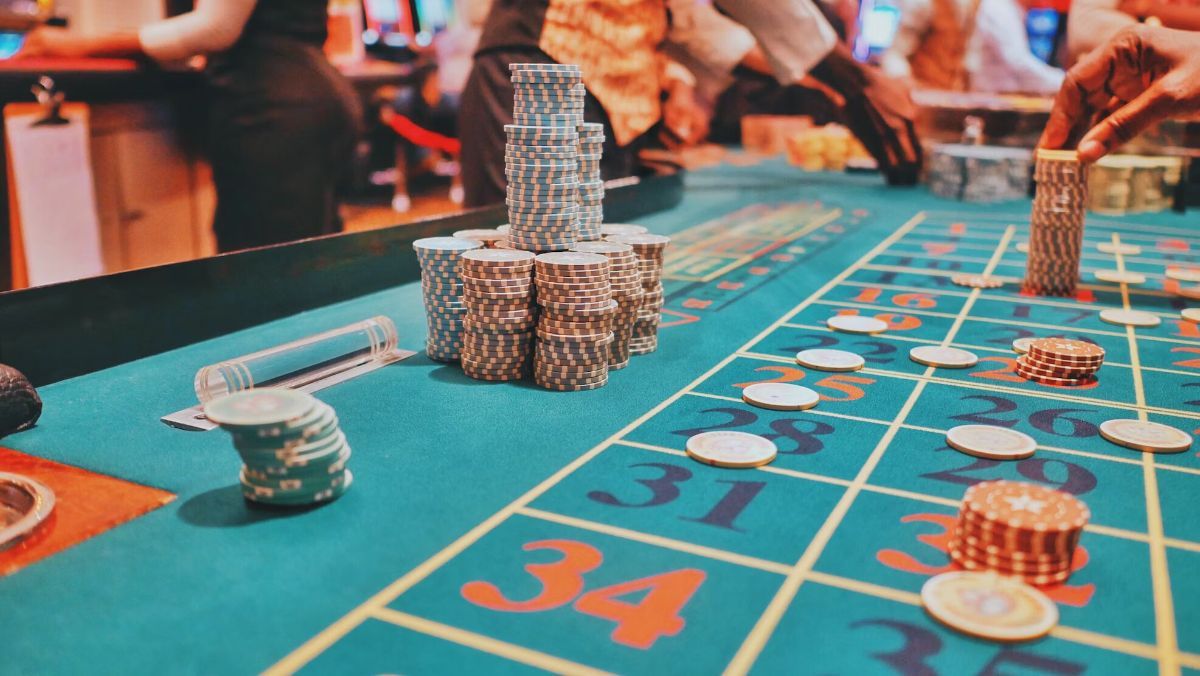
Moreover, the normalization of gambling in society has significant implications for behavior. As gambling becomes more mainstream, particularly with the rise of online gambling platforms, individuals may develop a perception that gambling is an acceptable and even desirable pastime. This cultural shift can lead to increased participation rates among individuals who previously may not have engaged in such activities, further blurring the lines of responsible gambling behavior and contributing to potential gambling problems.
Lastly, the influence of online communities and social media has transformed the landscape of gambling. Platforms where users share their experiences and wins can create an environment that glorifies gambling success. This can impact an individual’s decisions to gamble, as they may feel motivated to join in on the trend to connect with others or achieve the same level of success. Understanding these social influences is essential for developing strategies that promote responsible gambling and awareness within communities.
Understanding gambling behavior and promoting responsible gaming
To foster a healthy gaming environment, it is crucial to increase awareness about the psychology behind gambling behavior. Educational initiatives can help players recognize the cognitive biases and emotional triggers that influence their gambling. By developing a better understanding of these factors, individuals can make more informed decisions about their gambling habits. Casino operators can play a significant role in implementing responsible gaming practices, such as providing resources and support for those struggling with gambling-related issues.
Additionally, utilizing technology to track and monitor gambling behavior can empower individuals to stay informed about their gaming patterns. Many online platforms now offer tools that allow players to set limits on their gambling activities, promoting self-regulation. In-person casinos can also adopt similar practices, creating an environment that fosters responsible behavior while still allowing individuals to enjoy themselves in a safe setting.
In conclusion, analyzing the psychology of gambling behavior is essential for understanding the complexities of this activity. By recognizing the motivations, cognitive biases, and social influences at play, industry stakeholders can promote responsible gaming measures that help individuals enjoy gambling without falling prey to its potential pitfalls. Maintaining a balanced approach to gambling can ensure that it remains an enjoyable form of entertainment rather than a detrimental activity.