
Understanding the psychological tricks that influence gambling behavior

Understanding the psychological tricks that influence gambling behavior
The Nature of Gambling Addiction
Gambling addiction is often rooted in psychological triggers that compel individuals to engage in risky betting behaviors. This addiction can stem from a combination of genetic predisposition, environmental influences, and personal experiences. People may gamble to escape reality, alleviate stress, or seek thrills. This dependence on gambling can distort their perception of reality, making it difficult for them to recognize their behavior as problematic. If you’re looking for an exciting gaming experience, consider checking out https://mythoswincasinoonline.com/, where fun and adventure await!

Studies show that dopamine, a neurotransmitter associated with pleasure, plays a crucial role in gambling addiction. When individuals win, their brain releases dopamine, creating a euphoric feeling that reinforces the behavior. This reinforcement can lead to a cycle where the individual continues to gamble in hopes of replicating that initial high, often leading to significant financial losses. The psychological grip of this addiction often blinds individuals to the risks they are taking.
Moreover, the social aspects of gambling can exacerbate this addiction. Many people gamble in groups, sharing both the excitement and the losses. Social pressures can normalize risky behaviors, making it more challenging for individuals to step back and assess their gambling habits critically. As gambling becomes entwined with social interactions, the likelihood of developing an addiction increases, creating a cycle that is hard to break.
The Illusion of Control
One of the significant psychological tricks that influence gambling behavior is the illusion of control. Gamblers often believe they can influence the outcome of a game, particularly in games of chance like poker or blackjack. This belief may stem from past experiences where skill and strategy appeared to yield successful outcomes, leading individuals to incorrectly assume they can control future results as well.
For example, a player may believe that their strategic decisions or betting patterns can sway the outcome of a slot machine or card game. This illusion often creates a false sense of security, encouraging individuals to gamble more than they usually would. The inability to recognize that these games are based on chance rather than skill keeps them engaged, despite the mounting losses.
This misconception can lead to dangerous financial decisions. A gambler may increase their bets in the hope that they can regain lost money, reinforcing the belief that they are in control. The psychological ramifications of this are profound, as it can lead to risky financial behavior and eventually, serious gambling debts, straining personal relationships and leading to emotional distress.
The Role of Variable Rewards
Variable rewards are another psychological trick that heavily influences gambling behavior. The unpredictability of when a reward will occur creates excitement and compels individuals to continue gambling. This principle is rooted in behavioral psychology and is often likened to the concept of a variable ratio reinforcement schedule, where rewards are delivered at unpredictable intervals.
For example, a slot machine may pay out a jackpot after numerous spins or may reward the player after only a few. This unpredictability keeps players engaged, as they continue to hope for a big win. The anticipation of winning, combined with the infrequent but significant payouts, forms a compelling reason to keep playing, often at the expense of rational decision-making.
This cycle can lead to compulsive gambling behaviors, as the excitement of potential wins overshadows the likelihood of losses. The brain becomes conditioned to seek that thrill, similar to how one might crave a drug, creating a dependency that can be challenging to break. As players chase these variable rewards, their financial and emotional well-being may suffer, illustrating the profound impact of this psychological strategy on gambling behavior.
The Impact of Environment and Marketing
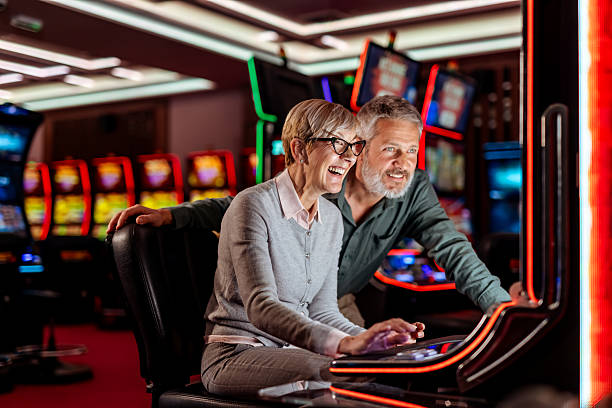
The environment in which gambling takes place can significantly influence behavior. Casinos and online gambling platforms are designed with specific elements that appeal to psychological triggers. Bright lights, vibrant colors, and enticing sounds are all strategically used to create an atmosphere of excitement and urgency. These sensory elements can increase a gambler’s emotional arousal, encouraging them to play longer and bet more.
Marketing strategies also play a critical role in shaping gambling behaviors. Promotions such as “free spins” or “bonus bets” can create a sense of value, enticing individuals to gamble even when they might have reservations. These offers often mask the inherent risks associated with gambling, making it easier for individuals to justify their participation. This can lead to impulsive decisions fueled by enticing marketing messages.
The social aspect of gambling venues also cannot be underestimated. Seeing others win or celebrating can create a sense of community that reinforces the desire to participate. Gamblers may feel compelled to join in the fun, even if it conflicts with their better judgment. This social pressure, combined with the stimulating environment, can lead to escalating gambling behaviors that may have serious repercussions.
Exploring Your Options on MythosWin
Understanding the psychological tricks that influence gambling behavior is crucial for anyone looking to engage in responsible gambling practices. Platforms like MythosWin offer a unique blend of entertainment and education, helping users navigate the complex world of gambling. By providing insights into these psychological factors, MythosWin enables users to make more informed decisions.
MythosWin prioritizes user experience and offers tools that encourage responsible gambling. With a focus on education, the platform seeks to demystify the allure of gambling by highlighting the risks involved and presenting strategies for maintaining control. Users can access resources that help them understand their gambling habits, promoting a healthier approach to gaming.
By fostering an environment that emphasizes awareness and responsibility, MythosWin empowers individuals to enjoy gambling while minimizing the associated risks. Understanding the psychological influences at play can significantly enhance a user’s experience, ensuring that gambling remains a fun and engaging activity without leading to adverse consequences.